
Brice holds a PhD in Oriental Pharmacy from Wonkwang University in South Korea and a certificate in Biostatistics from Harvard University in the United States.
From 2013 to 2021, he was a lecturer and researcher in nutritional public health at Keimyung University in South Korea, where he worked on acculturation and immigrant health. He is the first person in South Korea to publish on the risks of cardiovascular disease among foreign teachers.
Since returning to Canada, he has worked as a researcher on Indigenous engagement and health promotion in the CoVaRR-Net project for the prevention of COVID-19. He has also been a consultant in the development of clinical study protocols and a statistical plan with Healthcare System R&A Inc. for people with lower back pain.
In October 2021, he joined the pharmacy department at Lakeshore General Hospital in Montreal, Canada, as a clinical activities specialist with a primary role as oncology drug access coordinator. This role allowed him to better understand the Canadian healthcare system and to write five of the ten training modules for the Quebec Association of Oncology Drug Access Coordinators, where he was vice president of education.
In April 2024, he founded Biangg, a research firm that, through shared values, finds solutions to complex social problems through community engagement, research, and training. Biangg conducts in-depth analyses, makes concrete recommendations, and provides targeted training for managers to improve access to education, healthcare, and social services.
Brice is the author of more than 30 scientific publications.
Professional Experience· 8
Case Manager
Workplace Safety and Insurance Board (WSIB)
2025
Clinical Activity Specialist
Hôpital général du Lakeshore
2021
Comprehensive management of access to medications: enrollment in support programs, coordination with insurers and physicians, tracking of requests, and guidance for patients on their coverage options.
Chercheur sur l’engagement autochtone et la santé publique
Université de la Saskatchewan et CoVaRR-Net, Saskatoon, SK, Canada
2021
Methodological support for professors, analysis of policy responses to COVID-19 via wastewater, and drafting of literature reviews and research programs.
Consultant Health Research Investigator
Healthcare Systems R&A Inc.
2020-2021
Design of protocols and statistical tests, drafting of informed consent reports for ethics committees, and comprehensive project management.
Tunured Assitant Professor of Public Health Nutrition
Keimyung University, Daegu, Corée du Sud
2013-2021
University teaching, academic supervision, research project management, and participation in faculty recruitment.
Research Scientist
Kyung Hee University 경희대학교
Avril-décembre 2011
Product Manager
Société Gabonaise de Fabrication de Médicaments (SOGAFAM)
2005-2008
Technician Quality Assurance Product Release
APOTEX (ČR)
2002-2003
Education· 6
Certificat en troubles concomitants (Santé mentale & addiction)
University of Toronto
2021-2022
Certificat en biostatistique appliquée
Harvard University
2020-2021
Post Doctorat Fellow
Kongju National University
2012-2013
Doctorat en Pharmacie Orientale
Wonkwang University
2012
Diplôme de Recherche & Développement Pharmaceutique
Toronto Institute of Pharmaceutical Technology
2004
Bachelor sciences en biochimie
Université de Moncton
2000
Awards & Honors
Prix du manuscrit de doctorat pour le meilleur article publié, Wonkwang University
2011
Bourse de doctorat, Fondation nationale de recherche de Corée
2009-2010
Affiliations· 2
Biangg
Président-Fondateur
2024Association Québécoise des coordonnateurs d'accès aux médicaments d'oncologie (AQCAMO)
Vice-Président
2023-2024
 The Paradox of Educated Women: When Unemployment Becomes a Health Crisis Factor
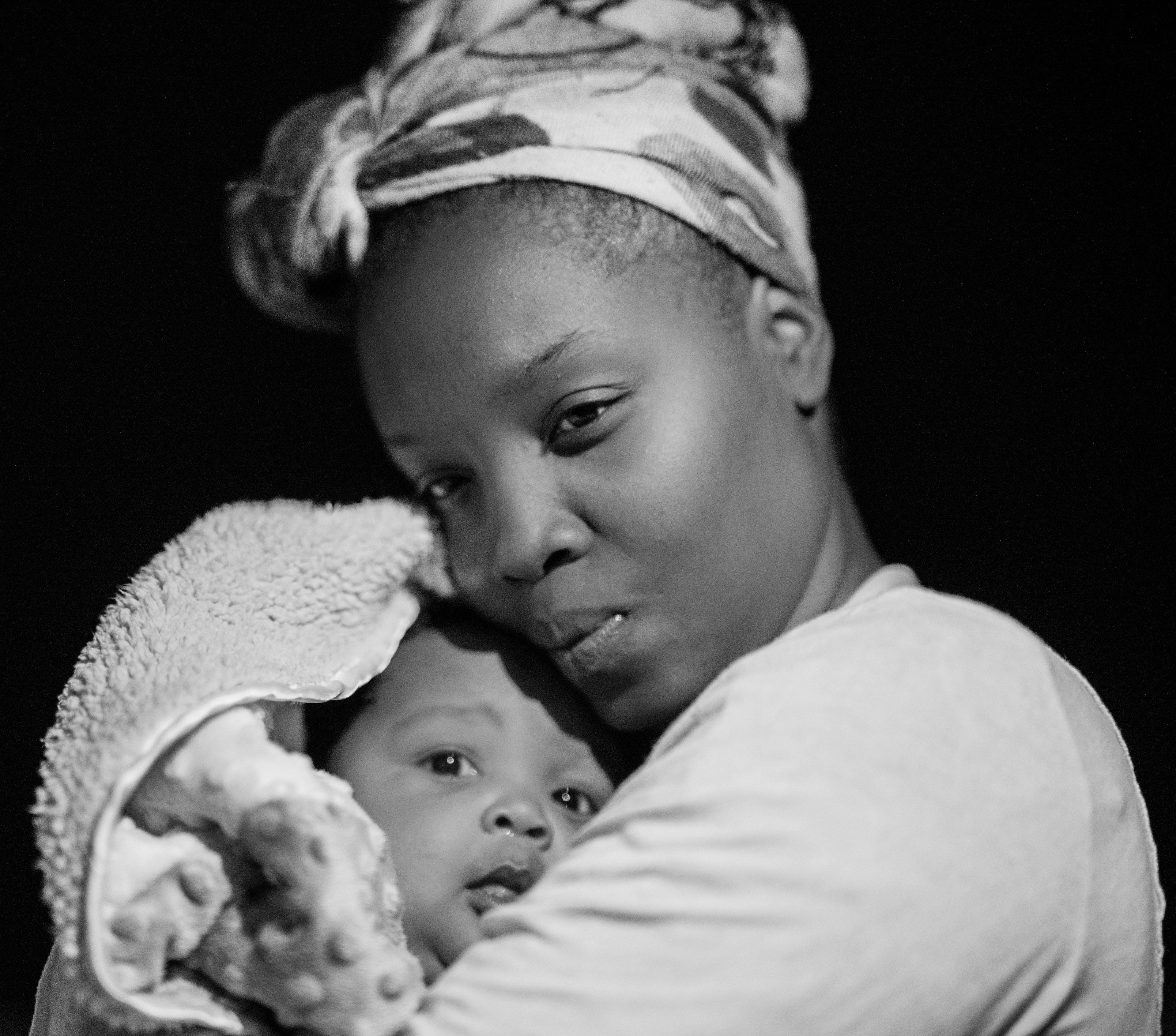
When instruction fades in the face of inactivity: Gabonese mothers between knowledge and survival Key insights Gabon shows a high level of female literacy but maternal health remains fragile Female unemployment is the determining socioeconomic factor for mothers' health Food insecurity, economic precariousness, and mental health are directly affected by professional inactivity The state acts as a structural determinant by influencing socioeconomic status through employment and social support policies Positive discrimination policies in employment, particularly for single mothers, could improve maternal health and reduce pressure on the healthcare system Key figures Female literacy rate (15-24 years) 92.63% in 2022 according to the World Bank Female unemployment rate 29.41% in 2021 according to the Gabon Demographic and Health Survey (EDSG III) Reported cases of mental disorders: 4,145 in 2022, an increase of 715 cases compared to 2020 according to the National Mental Health Center of Mélen (these figures concern the entire population without gender distinction). The empowerment of girls through education has seen spectacular progress across the African continent over the past two decades. In many countries, gender disparities have diminished, and access to primary and secondary education has significantly expanded. However, these advances do not always translate into tangible health benefits. Maternal health remains closely correlated with socioeconomic status, which encompasses education, employment, and income. More specifically in Central Africa, female professional inertia and economic vulnerability undermine the protective effect of education. This dynamic is particularly pronounced in Gabon where nearly 93% of young women show a literacy rate according to the World Bank (2022), but female unemployment peaks at 29.41% according to EDSG III (Gabon Demographic and Health Survey - third edition, conducted in 2021). This gap undermines the benefits of education and exposes mothers to nutritional insecurity, economic precariousness, and weakened mental health. The National Mental Health Center of Mélen recorded 4,145 cases of mental disorders in 2022, an increase of 715 cases compared to 2020, across all ages and genders. This phenomenon highlights a growing susceptibility, particularly among women in situations of great precariousness. The interaction of these factors highlights that mere access to education is not enough to safeguard women, and that targeted economic and social interventions are imperative to concretely improve maternal health. Education is trapped in the chains of precariousness While education is a fundamental pillar of development and autonomy, it does not automatically protect women's health. In Gabon, many educated mothers remain exposed to precarious living conditions. The ability to read and write is not sufficient to reduce health risks associated with motherhood or to ensure regular access to care. Educated women without jobs suffer from the combined effects of economic insecurity and lack of social support, which reduces their resilience to life's uncertainties. The gap between education level and maternal health illustrates that other factors, particularly financial stability and food security, play a crucial role and extend beyond the framework of formal education. Moreover, women's education certainly improves health knowledge, but without stable employment or income, these gains remain theoretical. Mothers cannot always put preventive recommendations into practice or access necessary care. The gap between education and economic reality creates a form of structural vulnerability, where knowledge and skills are not enough to transform health into tangible protection. Knowledge without bread: maternity on hold Female unemployment in Gabon acts as a key factor of vulnerability. The absence of regular employment leads to economic precariousness that directly impacts the health of mothers and their children. Unemployed women suffer from chronic food insecurity, constant stress, and increased exposure to mental health issues. Although specific data on perinatal depression are not consolidated at the national level, Gabonese health authorities warn of an increase in mental health disorders among women in precarious situations, especially during maternity. This situation highlights the direct link between professional inactivity and maternal health. Therefore, women's health is not only a matter of education but also of economic stability and social status, two dimensions closely linked to employment. Vulnerability due to unemployment is reinforced in urban areas where the cost of living is higher. Even educated and qualified women struggle to find stable jobs, placing them in an antithetical situation: educated but economically dependent, they are exposed to increased risks during maternity. This phenomenon underscores the importance of public policies that combine training, professional integration, and social support to reduce health inequalities. The Gabonese state as a structural lever Public policies play a central role in structuring the socioeconomic status and consequently the health of women. The state directly influences access to employment, economic resources, and health services, making it a major institutional actor in shaping health inequalities. In Gabon, existing programs to support women's employment and protect single mothers remain fragmented and insufficient to transform educational gains into tangible health benefits. Strengthening support systems for single-parent families, creating jobs tailored to women's needs, and ensuring easier access to care can reduce inequalities and sustainably improve maternal health. At the same time, fiscal policies and social systems condition families' ability to secure their standard of living. Limited subsidies, one-off programs, and unequal access to social services mean that the impact of public policies on maternal health is often weak. A more systematic and integrated commitment could enable the state to play a truly protective role, transforming education into an effective lever for health and well-being for all women. Silent famines and hearts in deficit Economic precariousness has direct and profound effects on maternal health. Food insecurity leads to nutritional deficiencies that affect pregnancy and infant development. Chronic stress and financial constraints are factors associated with the risks of perinatal depression. They inhibit mothers' ability to seek and receive care. Women from low-income households hesitate to use health services for fear of direct costs and long waits. These combined factors create a vicious cycle where poverty fuels health vulnerability, and where the fragile health of mothers perpetuates family precariousness. The psychological dimension is also crucial. Economic uncertainty and financial dependence create constant mental pressure, which affects not only mental health but also women's ability to make decisions regarding their health and that of their children. This mechanism reinforces disparities and shows that education, without economic and social support, is not enough to ensure the well-being of mothers. Rethinking strategies for maternal health To sustainably improve maternal health in Gabon, it is essential to place female unemployment at the center of public policies. Education, employment, and social support must be combined to provide effective protection for mothers. Positive discrimination policies, particularly for single mothers and women in the informal sector, can reduce the economic burden, improve access to care, and boost women's economic participation. These measures would not only strengthen mothers' health but also reduce pressure on the healthcare system and contribute to the overall economic development of the country. At the same time, it is necessary to design integrated programs that link vocational training, labor market integration, and psychological support. A multidimensional approach would ensure that gains in literacy translate concretely into improvements in maternal health, economic autonomy, and social resilience. This strategy transforms education and employment into real health protection levers for Gabonese women. About the authors: Brice is the founder of Biangg Consulting, specializing in patient advocacy and health equity. Aicha Fall is an economic journalist.
12 Oct 2025HealthcareHealthMaternityUnemployment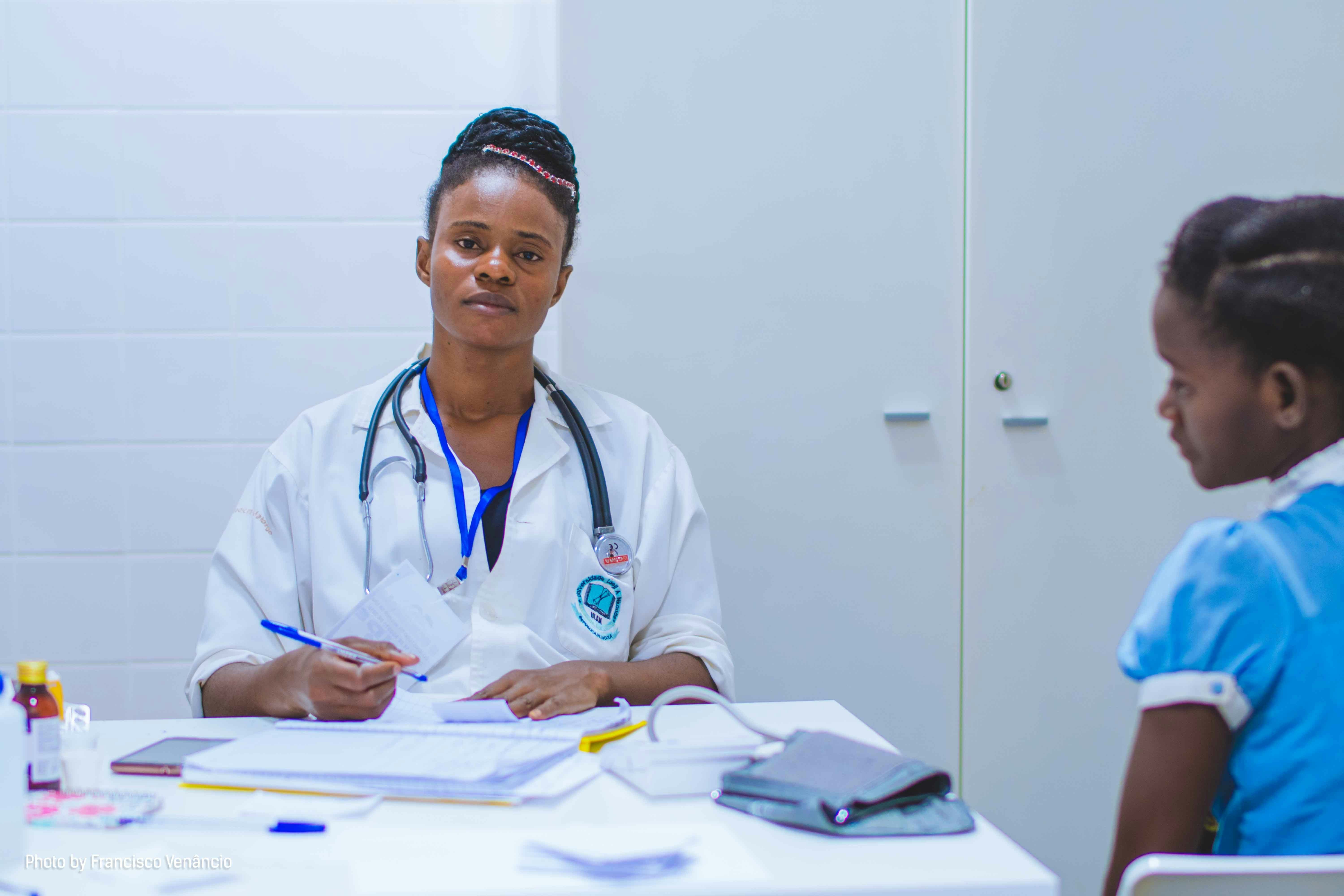 Gabon, The Forgotten Promise of 15%: When Underfunding in Health Costs Lives
15% on the front, health in apnea: the Gabonese budget on life support Key insights Key figures “To date, the overall resources allocated to health in Gabon have not contributed to improving health outcomes” - Brice Wilfried Obiang Obounou, Financing the health system and maternal mortality in Gabon. These words strike with their sobriety and lucidity. They summarize twenty years of thwarted efforts, growing budgets, and always fragile indicators. Gabon, a pioneer in Central Africa for universal health coverage, has never fulfilled its Abuja commitment. 15% of the national budget was to be dedicated to health, but the country currently caps at 7.8% according to the finance law. Behind this figure lies a distressing contradiction. Life expectancy is increasing, infrastructure is modernizing, and yet mothers continue to die in rural maternity wards as well as in urban hospitals. The work of Brice Wilfried Obiang Obounou sheds light on this fracture between ambition and reality, between symbolic and tangible, revealing the human cost of ineffective funding. The forgotten oath of the African continent In Africa, leaders gathered in Abuja in 2001 to commit to dedicating 15% of their national budgets to health. This pact was to transform the face of public health and provide every citizen with effective access to care. A few low-income countries like Rwanda, Malawi, or Gambia have exceeded this commitment, showing that wealth was not a condition for investing in life. But in many resource-rich countries, ambitions have collided with divergent priorities and the complexity of administrations. Sector spending often remains insufficient and oriented towards operations rather than populations. The figures reveal a deep contradiction. The richer a country is in natural resources, the less it seems to invest in the lives of its populations. Central Africa between ambitions and realities Central Africa wanted to believe in universal health coverage and its promises. Institutions multiplied, plans and programs accumulated, but implementation faces structural and financial limits. Administrative expenses absorb most of the budgets, and prevention as well as primary care remain insufficient. Gabon was long perceived as a regional model thanks to the creation of CNAMGS (National Health Insurance and Social Guarantee Fund) in 2008. This system was to provide equitable access to care. In practice, it faces payment delays, exclusion of the private sector, and bureaucratic complexity. Vulnerable populations continue to pay for their care, sometimes at the cost of debts or sacrifices. Gabon and the paradox of unfinished progress The 2025 health budget of Gabon represents 7.8% of the national budget, a figure that reflects a gap between ambitions and means. The majority of funds are absorbed by administration and fixed costs, leaving hospitals and maternity wards under-equipped and vulnerable populations reliant on their own budget. Despite visible progress in life expectancy and infant mortality, maternal mortality reaches 399 deaths per 100,000 live births, signaling a crisis that is not resolved by increasing the budget or modernizing infrastructure. Each death tells a story. A woman giving birth alone in a dispensary, another who has to buy her medications, a third who travels through several villages to reach a hospital. These lost lives reveal the gap between spending and real impact. When health becomes a luxury Universal health coverage has not eliminated out-of-pocket payments. In private clinics, 60% of women insured by CNAMGS still pay upfront. The poorest, often in rural areas, face endless queues and drug shortages. This social and geographical divide creates a two-tier system. The wealthy access care quickly and efficiently, while others forgo it or suffer delays with often fatal consequences. High female unemployment, food insecurity, and domestic violence exacerbate this situation. Women from low-income households hesitate to use health services for fear of costs or delays. These social determinants directly increase maternal mortality and fuel inequalities. Prevention, a still fragile link Prevention accounts for only 21.62 billion FCFA, or 15% of the health budget in 2025. This funding remains insufficient given the structural and social needs weighing on the population. Vaccinations, prenatal care, screenings, and nutritional programs are essential to reduce maternal and infant mortality. Every franc invested in prevention could save several lives and reduce costs related to avoidable complications. The priority given to curative care at the expense of prevention weakens the system and deepens disparities between urban and rural populations. Relearning to invest in life It is no longer just about how much the country spends, but how it spends. The budget must be redirected towards prevention, equitable access to care, and reducing social inequalities. Health must become a pillar of the social contract again, not a variable of budgetary adjustment. The 15% of Abuja was not a statistic but a human commitment. Failing to reach it means accepting that health remains a matter of privilege and that the lives of thousands of mothers continue to hang in the balance due to slow budgets. Gabon can still transform its trajectory, but this requires a clear vision, genuine commitment, and effective resource allocation so that numbers finally translate into saved lives and restored dignity. About the authors: Brice is the founder of Biangg Consulting, specializing in patient advocacy and health equity. Aicha Fall is an economic journalist.
11 Oct 2025HealthcareEconomyHealth