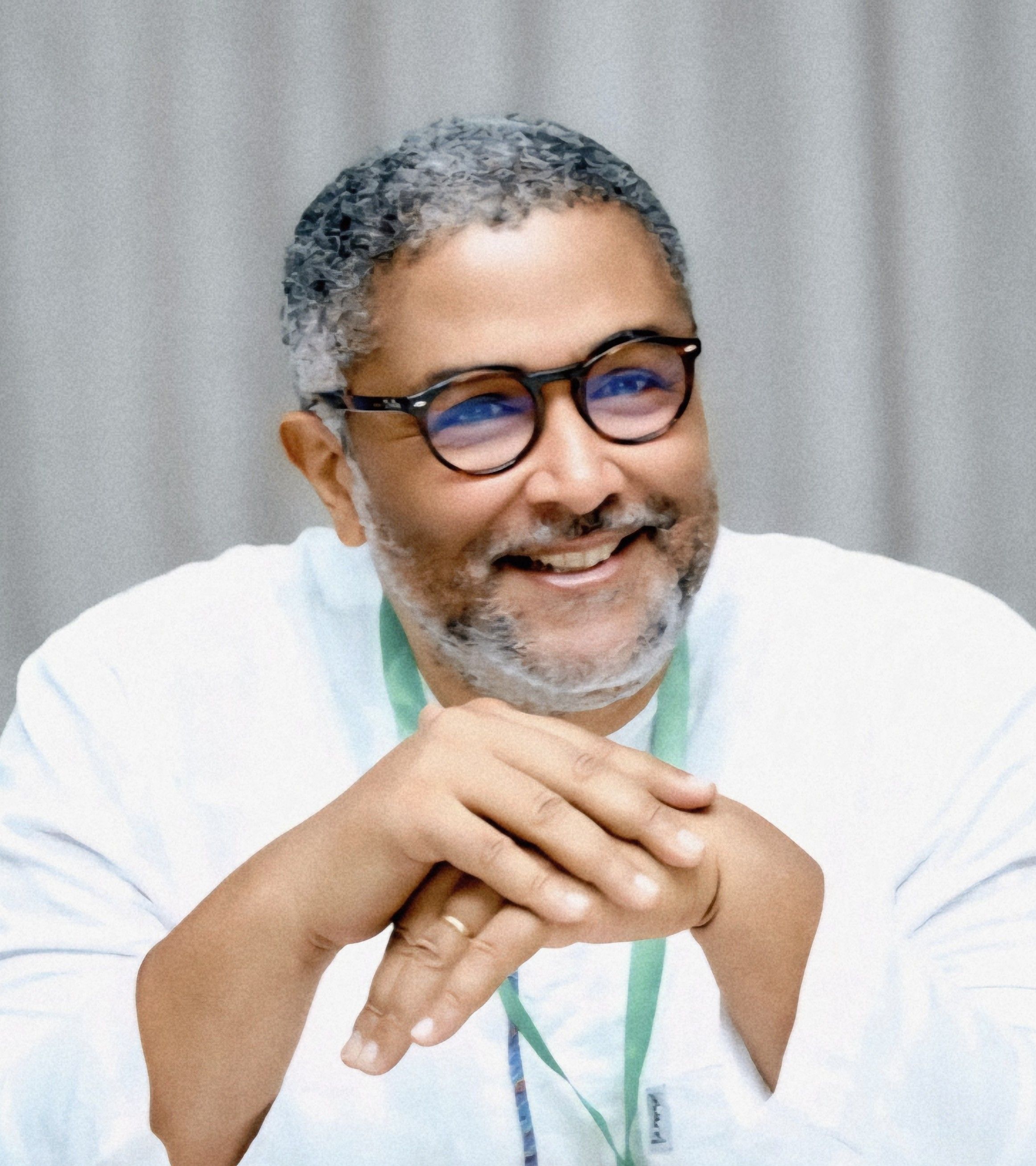

CURTIS Jean-François is a strategist, senior strategy analyst, and expert in strategic projects at the National Bureau of Technical Studies and Development (BNETD), as well as a board member of a state-owned enterprise.
With 24 years of experience in research, auditing, and consulting, He has supported organizations operating in complex environments involving strategy, sustainability, security, risk management, governance, and strategic intelligence.
His areas of expertise include crisis management, strategic foresight and monitoring, governance, international relations, and sustainable developmentparticularly in combating land degradation. He regularly contributes to issues that combine strategic vision with operational decision-making.
From 2007 to 2012, He served as Technical Advisor to the Prime Minister, where he helped establish and lead several crisis recovery mechanisms, including the Working Group on Security Sector Reform (GTRSS). He also played a key role in developing the National Security Strategy.
Since 2013, He has been an Expert with the University of Leicester in the UK, serving on the International Security Expert Panel (SCID). That same year, He contributed to the design of the Regional Strategic Plan for Sustainable Development (PSRDD) for the Nawa region in Côte d’Ivoire. In 2015, He joined the Board of Directors of the Association for Cooperation and Research in Development (ACORD), a pan-African NGO.
In 2016, He was appointed Technical Advisor to the Minister to the President of the Republic in charge of Defense, where he oversaw governance, intelligence, and strategic monitoring missions. As part of Côte d’Ivoire’s forest policy, He became Technical Advisor to the Minister of Water and Forests in 2017, responsible for sectoral monitoring and governance. In 2021, He was promoted to Special Advisor to the Minister of Water and Forests and designated National Expert at the National Bureau of Strategic Foresight and Monitoring (BNPVS) within the Ministry of Planning of Côte d’Ivoire.
Finally, in 2022, He was appointed Strategy Advisor to the President of the 15th Conference of the Parties to the United Nations Convention to Combat Desertification (COP15 UNCCD).
Professional Experience· 17
Strategic Advisor to the President of the UNCCD COP15
UNCCD COP15, Abidjan, Côte d’Ivoire
2022-2024
Led strategic positioning of the United Nations Convention to Combat Desertification (UNCCD) through high-level political advocacy, partnership development, strategic communication, and participation in ministerial meetings.
Special Advisor to the Minister
Ministry of Water and Forestry, Abidjan, Côte d’Ivoire
2021-2022
Formulation of the national forest strategy and strengthening of forest sector governance/Participation in high-level meetings
National Expert
National Office for Foresight and Strategic Watch, Abidjan, Côte d’Ivoire
2021
Board Member SODEMI Board Member SODEMI, representing the Minister of Forestry and Waters
Minister of Forestry and Waters, Abidjan, Côte d’Ivoire
2020-2021
Strategic repositioning of SODEMI in the mining sector, restructuring of the company and improvement of governance
Technical Advisor to the Minister
Ministry of Water and Forestry, Abidjan, Côte d’Ivoire
2017-2021
Member of the International Experts Panel
Security, Conflict and International Development (SCID)
2013-2018
Program, University of Leicester, Great-Britain
Senior Research Officer to the Executive Management
National Development and Technical Studies Office (BNETD), Abidjan, Côte d’Ivoire
2001-2018
Technical Advisor to the Minister
Ministry of Defense, Abidjan, Côte d’Ivoire
2016-2017
Formulation of national defense policy and strengthening of defense sector governance
Expert/ Country Assessor
Government Defense Anti-Corruption Index, Transparency International, London, Great-Britain
2014-2015
Technical Advisor to the President
NAWA Regional Council, Abidjan, Côte d’Ivoire
2013
Formulation of the region's sustainable development strategy and improvement of governance
Technical Advisor to the Prime Minister
Office of the Prime Minister, Abidjan, Côte d’Ivoire
2007-2012
Contribution to crisis recovery in CI/Animation of several high-level working groups
Assistant to the Special Advisors
Office of the Prime Minister, Abidjan, Côte d’Ivoire
2006-2007
Technical Secretary
Strategic and Security watch cell (CESS), National Program for Disarmament, Demobilization and Reinsertion, Abidjan, Côte d’Ivoire
2003-2006
Contribution to disarmament and negotiations between former belligerents
Security Advisor of the Chairman
SILS Technology, Abidjan, Côte d’Ivoire
2003
Security Technical Secretary
Strategic and Security watch cell (CESS)
2002
Organization Committee of the 23rd Universal Postal Union Congress (UPU)
Intern
Department for Strategic Affairs (DAS), Ministry of Defense, Paris, France
1999
Military Service
Army press department
1997-1998
Education· 4
Certificate of Board Members of Public Companies
2023
Certificate in VIP Protective Operations and Securing International Conferences
Group 77, Military Intelligence, Cairo, Egypt
2017
Post-graduate Degree in strategic studies and defense policy
School of Advanced International Studies (EHEI), Paris, France
1998-1999
Master Degree in International Relations and Diplomacy
Schiller International University, London, Great Britain.
1993-1996
Awards & Honors
National Defense Medal
1998
Order of Merit Medal -Côte d'Ivoire
2019
Labor Honor Medal-Côte d'Ivoire
2022
Affiliations· 4
ONG ACORD
Charity work
French Center For Research on Intelligence (CF2R)
Columnist
STRATEGEO
Blogger created my own blog dedicated to strategic analysis
Defense Magazine and Forest magazine
Columnist
 Africa : Are Borders in Danger?
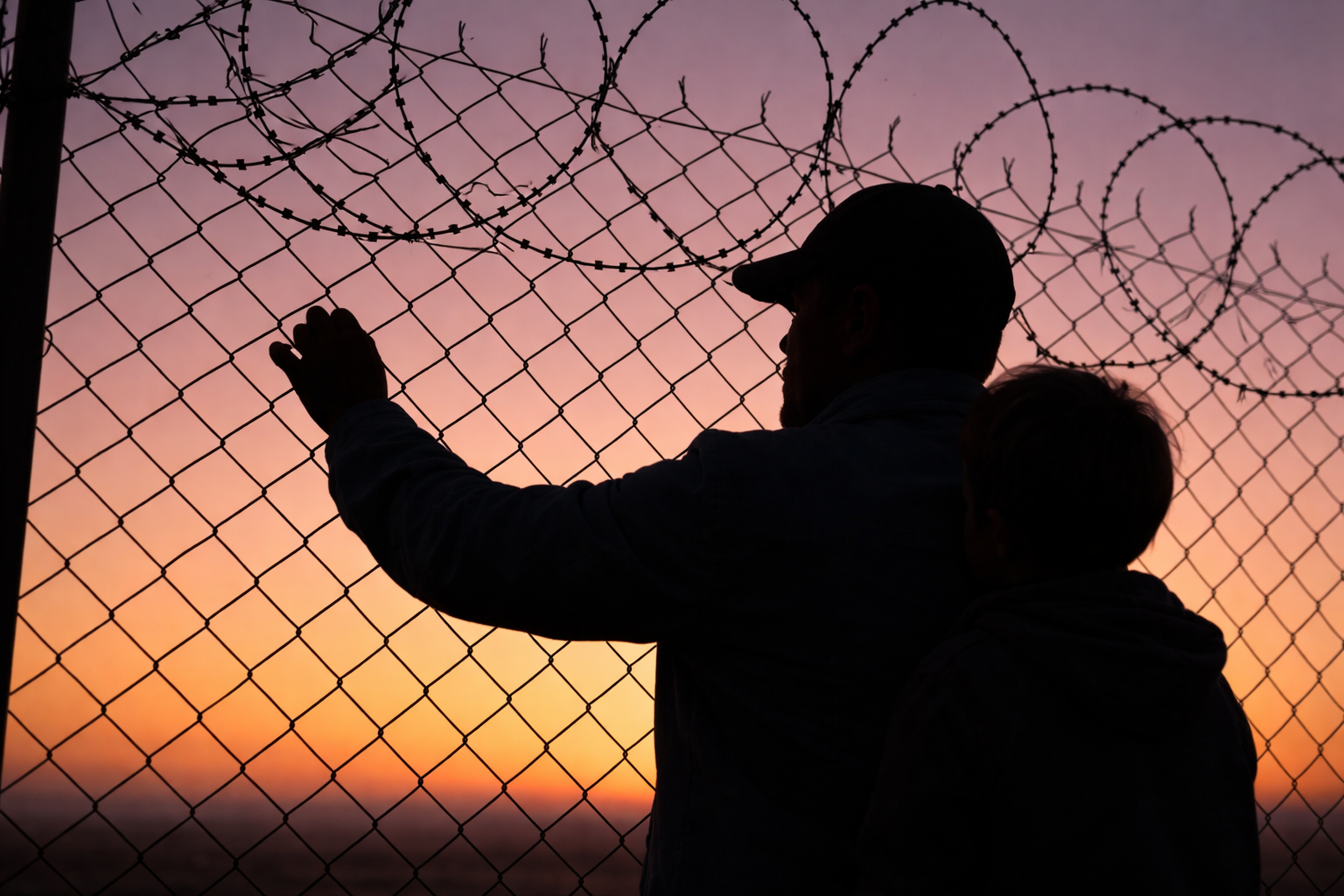
Key Insights African borders remain fragile due to a lack of appropriate policies, sufficient resources, and reliable professional practices. The vastness of territories and ecological constraints make monitoring particularly difficult. Regional cooperation remains limited, which weakens the effectiveness of border arrangements. A national strategy structured around diagnosis, strengthening mixed forces, and increased use of technology is essential. Enhanced regional coordination, based on pooling resources and creating specialized cross-country units, is crucial for sustainably securing borders. Challenges and vulnerabilities of African borders Mastery of borders faces limits that are human, legal, natural, and technological. The larger the territory, the greater the limits of its security and control. The challenge of border control and monitoring is therefore complex enough that we must cover it comprehensively. However, four areas should be considered: land, maritime, air borders, and cyberspace. Several issues affect the integrity of African countries' borders, but recent years have confirmed the need for these countries to mobilize more at both the national and regional levels to counter these threats. A brief diagnosis of the borders of African countries highlights, among other vulnerabilities: a) The absence of a national border control policy; b) The inadequacy of appropriate human and technical resources for border control; c) The lack of professionalism and corruption within certain units responsible for control; d) The state fragility that prevents some countries in post-crisis or crisis situations from preserving their territorial integrity (Mali, Burkina, etc.); e) The often hostile vastness of the territory, requiring heavy technical and human resources (Niger, DRC, etc.); f) The ecological fragility (desertification and drought) of certain states in the Sahelian zone, for example; g) The inadequacy or non-existence of effective consultation at the regional level; h) The inefficiency of existing border arrangements, particularly juxtaposed control posts; i) The low budgets allocated for border control. This brief state of affairs certainly depicts a less than honorable reality regarding the porosity of African countries borders. The consequences of this growing porosity are multiple and complex. However, we consider the following threats to be the most critical: a) Transnational crime primarily manifested by: drug trafficking, arms trafficking, money laundering, terrorism, and networks of illegal migration; b) Illegal immigration, which is growing each year with its socio-economic and security consequences; c) The spread of deadly diseases such as Ebola. Without denying all the efforts already made by African states to secure their borders and facilitate the free movement of people and goods, we propose a strategy likely to facilitate the mastery of the region's borders. To strengthen the mastery and security of African borders The response involves implementing a multidimensional and inclusive strategy, articulated around two major axes: a) A national response: To ensure control of the borders, it is essential to start with a comprehensive diagnosis of vulnerabilities and strengths, in order to establish a clear national strategy. This strategy relies on the mobilization of human resources (mixed forces such as the gendarmerie, customs, and police) and technological means (biometrics, drones, video surveillance, radars, sensors, etc.), while considering innovative options such as involving local communities. Three pillars structure this system: surveillance, alert, and intervention, requiring the establishment of dedicated mechanisms and the strengthening of intelligence capacities. Outsourcing certain tasks to specialized groups is also recommended to benefit from integrated and effective systems. b) A regional response: The regional dimension of the fight against border permeability relies on pooling resources and sharing data. Indeed, by mutualizing the means of each country, the effort is shared and the concerted action is therefore coherent. This fight being costly, it is appropriate for each country on the continent to contribute to a collective effort either financially or by providing human and/or logistical resources. Regional cooperation remains the most suitable solution to strengthen the impermeability of borders and thus protect populations from insidious threats such as terrorism. The establishment of specialized inter-country units would be an effective option for better controlling said borders. Like Frontex (European Border and Coast Guard Agency), the creation of UEMOA customs would be a step forward towards efficiency and a guarantee of successful cooperation in managing both human and material flows. It is worth noting that an examination of the strengths and weaknesses of existing systems in countries such as South Korea, Canada, and Switzerland could inspire African decision-makers to choose effective, sustainable, and human rights-respecting solutions. The creation of modern border posts, equipped and operational for surveillance, alert, and intervention, would allow for better management and/or control of the borders of African countries. Additionally, the establishment of professional mobile units at the borders would provide better coverage of them. Finally, let us not forget that any principle of surveillance raises the issue of democratic control and respect for fundamental rights, due to the multiple possible abuses.
20 Jan 2026sécuritéAfriquefrontièrescoopérationstratégies