Certifive
Contact

Expert insights and field stories to guide your decisions

Tribunes and lived experiences from verified experts and changemakers—understand trends, public policy, and global and local markets.

Map
Trending topics
Sponsors
November 04, 2025By Drissa KONEwith Aïcha Fall

The Song of Consciousness: The Breath of Conscious Leadership

Key Insights Transformational leadership is gradually establishing itself as a path of emancipation and healing for African societies scarred by conflict. By substituting domination with awareness, it places the human at the heart of governance and invites a reconciliation of politics with ethics. Its strength lies in an assumed emotional intelligence, sincere listening, and a deep understanding of cultural diversities. The emblematic figures, from Nelson Mandela to community mediators in West Africa, remind us that true peace arises from humility and inner transformation. Key Figures ⇒ More than 50 armed conflicts are active in Africa, representing about 40% of global conflicts (ICRC, 2025). ⇒ 60% of African citizens believe their leaders do not listen to them (Afrobarometer, 2025). ⇒ 21 young African leaders were trained in Gorée in September 2025 as part of the AGORA Youth program. ⇒ 3 African countries (Burundi, DRC, Mali) are integrating psycho-spiritual approaches into their peace processes, with support from UNDP. ⇒ 1 major regional forum, the Lomé Forum on Governance and Peace (March 2025), placed transformational leadership at the heart of discussions on post-conflict transitions. In 2025, Africa continues to question the nature of power and how it can become a force for cohesion rather than an instrument of division. This was particularly the case during the Lomé Forum on Governance and Peace in West Africa, held in March under the auspices of ECOWAS, which dedicated its work to the role of transformational leadership in post-conflict transitions. Dr. Drissa KONE, a researcher and lecturer in conflict resolution and peace dynamics, states that “transformational leadership is based on shared influence, not on the cult of the leader. It is no longer about dominating, but about accompanying the collective consciousness towards a new political maturity.”. Her vision combines academic rigor with field engagement. It redefines the figure of the African leader by inviting them to move beyond the verticality of power to reconnect with a more humanistic conception, based on responsibility, inner clarity, and social co-creation. Where domination has often led to distrust and fragmentation, this leadership seeks to awaken, unite, and transform. Reinventing power through service and awareness For decades, the figure of the chief has held an almost mystical place in the African political imagination. Inherited from the great man theory, this conception elevated the leader to a solitary hero, possessing an almost providential charisma. But this perception, which has shaped many regimes, has also fostered abuse of power, confiscation of debate, and personalization of the state. “When a leader identifies with the nation itself, they end up losing the clarity necessary for exercising power,”, observes the consultant in psycho-spiritual support. This drift often leads to distrust, exclusion, and, in fragile contexts, the resurgence of conflicts. Transformational leadership stands in opposition to this tradition. It does not rely on force, but on awareness, on a leader's ability to inspire without dominating.“The transformational leader does not impose their vision, they share it. They do not claim to hold the truth, they seek its multiple faces through dialogue,”, specifies the conflict management trainer. In Liberia, Mali, and Sierra Leone, social reconstruction initiatives already embody this paradigm shift. Community reintegration programs emphasize listening, co-responsibility, and the symbolic rehabilitation of victims. By placing collective awareness at the center of governance, these approaches sketch a lasting peace based on understanding rather than coercion. The rigor of the heart: the three foundations of conscious leadership Building peace requires as much strategic clarity as inner sensitivity. The personal development specialist identifies three essential pillars for this new mode of governance: self-awareness, genuine listening, and cultural competence. Self-awareness involves recognizing and mastering one's emotions before they govern decisions.“Many leaders react out of fear or anger, without seeing that these emotions reflect unresolved inner wounds,”explains Dr. KONE. This introspection liberates speech and disarms the authoritarian postures that often fuel political tensions. Listening, for its part, is the beating heart of transformational leadership. It is not merely a matter of courtesy, but a true act of recognition.“Listening without interrupting is granting the other a place in the collective narrative. It is silently telling them: you exist,”he emphasizes. Finally, cultural competence invites us to perceive diversity not as a threat, but as a richness. Understanding the symbolic, religious, or customary logics of each community allows for the development of inclusive and peaceful policies. In Ghana, the program Peace through Understanding illustrates this approach. By training young leaders in intercultural mediation and emotional management, it helps prevent community fractures and strengthen trust between ethnic groups. Mandela, or the humility of power No example better summarizes the significance of transformational leadership than that of Nelson Mandela. His rise to the presidency could have been the prelude to a historical revenge. However, he chose another path, that of reconciliation, dignity, and forgiveness. “Mandela proved that a leader could be strong without being domineering, visionary without being authoritarian,”reminds Drissa KONE. Refusing to substitute one power for another, he preferred to found a society on mutual recognition and shared memory. His attitude, imbued with profound emotional intelligence, rehabilitated the idea of power that elevates rather than crushes. The Truth and Reconciliation Commission he established marked a historic turning point. By promoting speech, confession, and recognition of wounds, it allowed for an unprecedented collective catharsis. This approach, both political and spiritual, showed that authentic peace is not decreed, but built through truth and compassion. Even today, his legacy inspires many reconciliation processes, notably in Côte d'Ivoire, where local initiatives adapt this model to their cultural contexts. New voices, new paths: the transformational echo in West Africa From Dakar to Ouagadougou, from Conakry to Freetown, initiatives are multiplying that reinvent peace through hybrid approaches, combining ancestral traditions and psycho-spiritual methods. In Burkina Faso, community talking circles now integrate mediators trained in trauma psychology and cultural symbolism. In Sierra Leone, healing dialogue programs bring together former combatants, women victims of violence, and customary leaders around rituals of repair and collective dance. In three African countries; Burundi, the DRC, and Mali; UNDP supports the integration of mental health and spirituality into peace processes, in connection with local realities. "Psycho-spiritual approaches remind us that peace does not result solely from the signing of an agreement, but from an inner transformation of beings," the expert emphasizes."They repair what war has destroyed: trust, dignity, the ability to love." However, he remains clear-headed: "Too many African leaders remain prisoners of logics of fear and control. But the awakening of consciousness is underway. If the younger generations manage to embody this vision, then Africa will become a laboratory for 21st-century leadership." In September 2025, 21 young African leaders were trained in Gorée as part of the AGORA Youth program, dedicated to democratic innovation and transformational leadership. This new generation embodies a promise: that of a power that listens, connects, and transforms without crushing. This new breath cannot be decreed from the heights. It germinates in the margins, is embodied in voices that dare vulnerability as a political strength, and outlines a governance rooted in humanity. Transformational leadership is not a utopia. It is a demanding, slow, but fruitful practice; an art of presence, of the right word, and of shared responsibility. At a time when Africa seeks to reconcile with itself, this model offers more than an alternative. It proposes a metamorphosis. Not of a system, but of the consciousnesses that inhabit it. For it is there, in the invisible of intentions, that lasting peace begins.

LeadershipCulturepeaceOpen
November 01, 2025By Vanessa TCHOUBIAwith Aïcha FALL

Regulation: A Growth Lever for the African Cosmetics Sector

Key Insights With its exceptional biodiversity and a rapidly expanding domestic market, Africa holds immense opportunities in the cosmetics sector, particularly natural products. From Nigeria to Kenya, through Morocco, Ivory Coast, and Cameroon, demand is growing due to urbanization, the rise of a middle class, and the appreciation of ingredients sourced from local resources. However, the predominance of the informal sector and the lack of harmonized regulatory frameworks still hinder the upgrading and export of local brands. In this context, regulation is not an obstacle to growth. On the contrary, it is a strategic lever for competitiveness, a tool for differentiation, and a passport to regional and international markets. Standardization initiatives led by institutions such as the African Organization for Standardization (ARSO) and the African Continental Free Trade Area (AfCFTA) pave the way for a gradual integration of standards and certifications across the continent. Key Figures The African cosmetics market is estimated at 3.87 billion USD in 2024 and could reach 7.02 billion USD by 2033 (Market Data Forecast, 2025). In Sub-Saharan Africa, the average annual growth of the sector ranges between 8% and 10%, supported by the growing demand for natural products and the rise of local brands (6Wresearch, 2025). Several countries have established institutions to oversee the quality and safety of products, such as NAFDAC (National Agency for Food and Drug Administration and Control) in Nigeria, ANOR (Agency for Standards and Quality) in Cameroon, KEBS (Kenya Bureau of Standards) in Kenya, and SAHPRA (South African Health Products Regulatory Authority) in South Africa. Often perceived as an administrative burden, regulation is actually a strategic lever for growth and competitiveness, still largely underestimated in African economies. In a rapidly expanding cosmetics sector, anticipating and understanding regulatory requirements can make all the difference in building strong local brands, ensuring consumer safety, gaining their trust, and accessing regional and international markets. A booming sector, hindered by structural challenges The African cosmetics market, estimated to be worth over USD 7.02 billion by 2033, is attracting a growing number of investors, local brands, and multinationals. However, its growth remains hampered by several structural obstacles, including the predominance of the informal sector, fragmentation of production and distribution chains, weak quality control infrastructures, and a still heterogeneous regulatory framework. In most African countries, a significant portion of cosmetic products is still marketed without traceability or certification, exposing consumers to health risks. The strong presence of the informal sector also undermines product quality, often placed on the market without control, to the detriment of public health. This lack of a clear framework discourages many entrepreneurs or companies and limits the structuring of the sector, which struggles to fully capitalize on local resources and know-how. In the face of these challenges, regulation appears as a factor of credibility, safety, and competitiveness. As long as the sector remains devoid of shared benchmarks and applied standards, African brands will struggle to cross the threshold of industrialization, obtain essential certifications, and access export markets. Regulation, a strategic passport Far from being a hindrance, regulation serves as a true strategic passport. It represents a guarantee of quality and safety for the consumer, a tool for differentiation, and an accelerator for access to regional and international markets. A brand that complies with recognized standards reassures, protects consumer health, secures the supply chain, and opens up new commercial opportunities. This requirement also poses a major health challenge. In several African countries, the market remains largely exposed to lightening or whitening products containing banned substances such as hydroquinone or certain corticosteroids. These products, often distributed without control through informal or digital channels, present documented dermatological and carcinogenic risks by the WHO and the European Commission. Moreover, managing the environmental impacts related to production, packaging, and waste management is crucial to ensure a sustainable and responsible cosmetics industry. By adopting environmentally friendly practices, the African industry not only protects ecosystems but also contributes to public health while enhancing its competitiveness. Structuring the industry through local and regional standards Several African countries have begun a gradual structuring of their markets. In Cameroon, for example, the Pre-Shipping Conformity Assessment Program (PECAE) has required a Certificate of Conformity (CoC) for imported products since 2021, ensuring their compliance with national standards. The ANOR standards (NC 804 to NC 816) cover the entire product life cycle, including manufacturing, quality, safety, preservation, labeling, and the truthfulness of advertising claims. In other countries like Kenya or Ghana, similar initiatives often exist, inspired by international ISO or CEN standards. The adoption of these texts not only professionalizes the actors but also establishes a shared culture of quality at the regional level. The AfCFTA in service of continental harmonization One of the main challenges in the sector remains regulatory fragmentation. Each country applies its own standards, procedures, and documentary requirements, making cross-border trade complex and costly. The African Continental Free Trade Area (AfCFTA) represents a significant opportunity for the sector's competitiveness. By promoting the removal of tariff barriers and mutual recognition of certifications, it lays the groundwork for an integrated cosmetics market. The African Organization for Standardization (ARSO), through its African Conformity Assessment Program (ACAP), strengthens quality infrastructures and facilitates mutual recognition of standards between states. In the East African Community, the DEAS 334:2023 standard already harmonizes regulations related to cosmetic products, facilitating intra-regional trade and ensuring a uniform level of safety for consumers. These advancements reflect a continental movement towards regulatory convergence. Ultimately, a gradual harmonization of standards could enhance African competitiveness in international markets. Training, supporting, encouraging For regulation to become a driver of growth, it is essential to train businesses on regulatory requirements while popularizing local and international standards through accessible digital platforms. Incentive policies such as tax breaks for certified brands, simplified customs procedures for compliant products, or pan-African quality labels could accelerate the adoption of best practices. The African diaspora can also play a key role by sharing its skills and supporting local entrepreneurs in their development. From ambition to action During Mboa Paris 2025, the first business and socio-cultural fair of the Cameroonian diaspora in Europe, these issues were discussed in a workshop with industry professionals: toxicologists, regulatory affairs specialists, biologists, and entrepreneurs. Highlighted were: The central role of regulation for access to local and international markets; The concrete challenges related to certification and export; The need to support entrepreneurs in these processes and the key role of the diaspora in this process. Participants expressed clear needs: enhanced support, better clarity of the regulatory framework, and effective structuring of the sector. These expectations reflect a strong desire to transform regulation into a driver of growth and innovation. In conclusion, the future of the African cosmetics sector will not rely solely on the richness of its biodiversity. It will depend primarily on the ability to structure and harmonize regulatory frameworks at the regional and continental level to promote free trade, professionalize stakeholders, and protect consumer health. Regulation is not a barrier to innovation: its implementation is an essential condition to ensure safety, quality, and competitiveness. Despite the challenges, companies that place compliance, ethics, and transparency at the heart of their strategy can transform regulation into a sustainable competitive advantage. By adhering to local and international standards, they will enhance their reputation, gain consumer trust, and help shape the next era of African beauty, where compliance becomes a driver of innovation and growth. References Market Data Forecast. (2025). Africa cosmetics market size, share, growth, trends & forecast (2024–2033). Retrieved from https://www.marketdataforecast.com 6Wresearch. (2025). Africa cosmetics market overview, opportunities, and forecast 2024–2030. Retrieved from https://www.6wresearch.com Mordor Intelligence. (2024). Africa cosmetics products market – growth, trends, and forecasts (2024–2030). Retrieved from https://www.mordorintelligence.com African Organization for Standardization (ARSO). (2023). African conformity assessment program (ACAP): Strengthening quality infrastructure in Africa. Nairobi, Kenya: ARSO. Retrieved from https://www.arso-oran.org African Continental Free Trade Area (AfCFTA). (2024). AfCFTA agreement and implementation framework. Addis Ababa: African Union Commission. Retrieved from https://au-afcfta.org East African Community (EAC). (2023). Draft East African Standard DEAS 334:2023 – Cosmetics — Requirements for labelling and safety. Arusha: EAC Secretariat. Retrieved from https://www.eac.int Standards and Quality Agency (ANOR). (2021). Cameroonian standards on cosmetic products (NC 804 to NC 816). Yaoundé, Cameroon: ANOR. Retrieved from https://www.anor.cm Kenya Bureau of Standards (KEBS). (2022). Standards and regulatory framework for cosmetic products in Kenya. Nairobi: KEBS. Retrieved from https://www.kebs.org South African Health Products Regulatory Authority (SAHPRA). (2022). Regulation of cosmetic products and safety requirements in South Africa. Pretoria: SAHPRA. Retrieved from https://www.sahpra.org.za National Agency for Food and Drug Administration and Control (NAFDAC). (2023). Guidelines for registration of cosmetic products in Nigeria. Abuja: NAFDAC. Retrieved from https://www.nafdac.gov.ng World Health Organization (WHO). (2023). Risks associated with the use of skin lightening products containing hydroquinone and corticosteroids. Geneva: World Health Organization. Retrieved from https://www.who.int European Commission. (2024). EU cosmetic products regulation (EC) No 1223/2009 – Prohibited substances and market safety. Brussels: European Commission. Retrieved from https://health.ec.europa.eu Mboa Paris. (2025). Workshop “Regulation and competitiveness of the African cosmetic sector” – Program of the Mboa Paris 2025 Fair. Paris: Association Mboa Paris. Retrieved from https://www.mboaparis.com

RegulationsCosmeticsAfricaOpen
October 15, 2025By Mohamed CISSOUMAwith Aïcha FallSponsored by IFEM

When the sea doubles : digital twins take on the waves

Digital twins in the maritime world Key insights Digital twins transform the sea into a data space where each ship, each port, now has its virtual reflection Their use reshapes the contours of navigation, maintenance, and decarbonization, making the virtual a strategic partner of the real By linking data, artificial intelligence, and simulation, they offer unprecedented predictive control, capable of anticipating failures or optimizing maritime routes But their power relies on a fragile substance: the reliability of the information that feeds them and the robustness of the models that animate them Behind the digital mirror, human and ethical questions remain: who governs these digital doubles, who guarantees their security, and how far can we delegate decision-making to the machine? A digital twin is a virtual representation of a real object, system, or process. It is created using real-time or historical data, mathematical models, and algorithms to simulate the behavior and characteristics of the real object. The digital twin can be used in various fields such as manufacturing, engineering, healthcare, transportation, etc. It allows monitoring, predicting, and optimizing the performance of the real object by providing accurate and real-time information about its state, operation, and environment.                             Digital twins offer three major advantages: cost reduction, improved safety, and reproducibility. They can be used to predict scenarios, but also serve to train people safely. In the maritime field, digital twins have multiple use cases that we will discuss throughout this article. Digital twins can be used to monitor and manage different aspects of ships, ports, and maritime operations. Here are some examples of digital twins that evolve over time and reflect the changing state of their physical counterparts in the maritime industry: Monitoring ship performance : Digital twins of ships collect real-time data on parameters such as speed, fuel consumption, engine performance, and environmental conditions. By comparing the performance data of the digital twin with the physical ship, operators can optimize energy efficiency, predict maintenance needs, and ensure compliance with environmental regulations. We present this practical example: A case of digital twin for real-time routing of ships taking into account regulatory compliance regarding decarbonization.  In this example, digital twin technology is used to facilitate real-time assessment of regulatory compliance regarding decarbonization in ship routing. This approach focuses on real-time monitoring of the carbon emission intensity of ships and identifying potential strategies to mitigate operational risks related to decarbonization goals. By leveraging up-to-date environmental and operational data, the digital twin approach enhances the accuracy of estimating the likelihood that a specific ship will comply with regulations throughout its journey. This example offers a proactive and data-driven approach to support the maritime industry's decarbonization efforts.                                                                                                     Management of port operations:From the data of the digital twin, we can monitor port operations, including ship traffic, container movements, and berth utilization. As the port experiences changes in ship arrivals, cargo volumes, or infrastructure improvements, the digital twin adapts to reflect the changing conditions. This allows for real-time resource optimization, efficient berth allocation, and improved logistical planning within the port. Here is a practical example: A digital twin-based approach to optimize energy consumption during automated container handling operations. This approach proposes using digital twin technology to optimize the energy consumption of an automated stacking crane (ASC) involved in container handling operations. The approach involves developing a virtual area of containers that synchronizes with the physical area of containers in the digital twin system in an automated container terminal, for observation and validation purposes. A mathematical model is then established to minimize the overall energy consumption required to accomplish all tasks.                                                                                                      Digital twins based on artificial intelligence techniques. Building a digital twin using artificial intelligence (AI) techniques may be more appropriate in the following scenarios: High complexity: AI can be beneficial when dealing with very complex systems that involve many interactions and interdependencies. By using AI, it becomes possible to model and simulate these complex interactions more accurately. Heterogeneous data: When data from diverse sources with varying formats, structures, and resolutions are needed to build the digital twin, AI can effectively process and integrate this heterogeneous data, referred to as multimodal models. Dynamic adaptation: If the real system requires real-time adaptation based on changing environmental or operational conditions, AI enables the digital twin to make decisions autonomously and adjust its parameters accordingly. We propose this practical example: Digital twins in intelligent transportation systems Traffic management in urban areas and high-traffic maritime zones remains a major concern. Traditionally, control centers have been used to address these challenges, but they now require modernization through the incorporation of digital twins and artificial intelligence (AI). The implementation of intelligent transportation systems (ITS) offers a solution to the main problems encountered in transportation networks while facilitating their development. By using digital twins with the ArchiMate modeling framework, we can optimize the distribution of traffic flows in the network over time and space.                                                                                                                                                                                                                 The Limitations of Digital Twins… Digital twins have gained attention and popularity across various industries, offering the potential to enhance design, simulation, and analysis capabilities. These virtual replicas of physical assets enable real-time monitoring, predictive maintenance, and performance optimization. However, like any technological advancement, digital twins also have their limits, both in theory and in practice. In this section, we will explore the disadvantages and potential challenges associated with digital twins, highlighting specific examples where these limits have been observed in real-world scenarios. By understanding these limits, we can gain a comprehensive perspective on the benefits and considerations of using digital twins in the maritime world. Data accuracy and reliability: The effectiveness of digital twins heavily depends on the accuracy and reliability of the data used to create and update them. Incomplete, outdated, or inaccurate data can lead to discrepancies between the digital twin and the real system, impacting the reliability of predictions and analyses. Model complexity and assumptions: Developing an accurate digital twin often requires simplifications and assumptions about the real system. However, these assumptions do not always hold true in practice, leading to disparities between the digital twin's forecasts and the actual behavior of the system. Computational requirements: Implementing and maintaining a digital twin may require significant computational resources, especially for complex systems or advanced simulation techniques. This requirement could limit scalability and accessibility, particularly in environments where resources are constrained. Additionally, ship connectivity at sea requires a satellite system to ensure good data frequency. The three aforementioned limitations can be illustrated by the example below: “The use of incomplete or misused data can have serious consequences. A concrete example of this situation occurred during the crash of two Boeing 737 MAX airplanes. It appears that digital twins were used during the construction process to make modifications to these planes. However, it is possible that a divergence between the data used in simulations and the real data contributed to these accidents.” Integration challenges: Integrating data from diverse sources and systems to create a complete digital twin can present difficulties. The diversity of data formats, standards, and protocols between systems requires complex and tedious data integration processes. Cost and time considerations: Creating and maintaining a digital twin incurs significant costs, including data acquisition, sensor deployment, software development, and ongoing maintenance. Furthermore, collecting, processing, modeling, and validating data is time-consuming. Privacy and security concerns: The real-time data capture and analysis involved in digital twins raise privacy and security issues. Protecting sensitive data, ensuring privacy, and safeguarding against cybercrime are all factors that must be considered in the design of digital twins. Human factors and expertise: Although digital twins provide valuable insights, human interpretation and expertise are essential for drawing meaningful conclusions and making informed decisions. The human element is crucial for understanding context, interpreting results, and applying domain knowledge to fully leverage the potential of digital twins. It is important to note that specific limitations may vary depending on the application and implementation of digital twins. Difficulties may arise when integrating data from disparate sources, managing existing systems lacking standardized interfaces, or handling large volumes of real-time data. Furthermore, issues related to data quality, sensor reliability, and the need for continuous calibration and maintenance can impact the accuracy and effectiveness of digital twins in practice. Digital twins can enable operators to monitor and control ships remotely, optimize performance, predict failures, and make informed decisions in real time. Automation based on digital twins also offers the possibility of reducing reliance on human labor, increasing operational efficiency, and minimizing the risk of error. Smart ships thus represent a new era in the maritime industry, opening the door to smarter, safer, and more sustainable operations. References Diego M. Botín-Sanabria, Adriana-Simona Mihaita, Rodrigo E. Peimbert-García, Mauricio A. Ramírez-Moreno, Ricardo A. Ramírez-Mendoza, Jorge De J. Lozoya-Santos (2022). Digital Twin Technology Challenges and Applications: A Comprehensive Review, Remote sensing,14(6), 1335.https://doi.org/10.3390/rs14061335 Dimitrios Kaklis, Iraklis Varlamis, George Giannakopoulos, Takis J. Varelas, Constantine D. Spyropoulos. Enabling digital twins in the maritime sector through the lens of AI and industry 4.0. ELSEVIER B.V. Volume 3, Issue 2, November 2023, 100178.https://doi.org/10.1016/j.jjimei.2023.100178 Michaela Ibrion1, Nicola Paltrinieri and Amir R. Nejad (2019). On Risk of Digital Twin Implementation in Marine Industry: Learning from Aviation Industry, Conference Series, Volume 1357.https://iopscience.iop.org/article/10.1088/1742-6596/1357/1/012009 Mr. Volker Bertram, DNV, 2023-EMM-402 Safe Shipping – Safety and Technology, World Maritime University. Qikun Wei, Yan Liu, You Dong, Tianyun Li, Wei Li. A digital twin framework for real-time ship routing considering decarbonization regulatory compliance. ELSEVIER B.V. Volume 278, 15 June 2023, 114407.https://doi.org/10.1016/j.oceaneng.2023.114407 Rudskoy A, Ilin I, Prokhorov A (2020). Digital Twins in the Intelligent Transport Systems, ELSEVIER B.V. Volume 54, 2021, Pages 927-935.https://doi.org/10.1016/j.trpro.2021.02.152 Yinping G, Daofang C, Chun-Hsien C (2023). A digital twin-based approach for optimizing operation energy consumption at automated container terminals. ELSEVIER B.V, Volume 385, 135782.https://doi.org/10.1016/j.jclepro.2022.135782

MaritimeTechnologyInnovationOpen
October 15, 2025By Mohamed CISSOUMAwith Aïcha FallSponsored by IFEM

When the sea breaks free from mankind: the silent odyssey of unmanned ships

Imagine yourself on a crewless ship: Smartships Key insights Smartships symbolize a new maritime era, where technology redefines the boundaries of the possible and questions the role of humans at sea The absence of crew poses major legal and ethical challenges, particularly regarding responsibility in the event of an accident or pollution Increased automation threatens to disrupt the maritime labor market, already weakened by digitization and job outsourcing Data security and cybersecurity become top priorities, as a ship without a captain remains vulnerable to cyberattacks Behind the technological prowess, maritime sovereignty is at stake: who controls, monitors, and protects these invisible fleets? One might think it's a science fiction fable, yet this world is already here. White hulls glide over the waves without a captain, piloted by algorithms capable of avoiding storms, adjusting their trajectories, and optimizing every movement. These next-generation vessels, called crewless ships or smartships, embody an unprecedented technological feat. Designed to navigate without direct human intervention, they rely on a network of sensors, cameras, intelligent software, and advanced communication systems that allow them to perceive their environment, analyze marine data in real time, and make autonomous decisions with millimeter precision. Far from ports and lighthouses, the sea becomes a digital territory where data replaces maps and satellites watch in place of sailors. These so-called autonomous ships promise efficiency, safety, and cost reduction, but also raise dizzying questions about responsibility, safety, and maritime employment. What happens to the role of humans when the machine takes the helm? The question is not only technological; it is philosophical, social, and deeply political. The advent of these intelligent ships marks a turning point in maritime history. By combining artificial intelligence, automation, and global connectivity, they redefine the contours of contemporary navigation. The industry sees it as an opportunity to reduce operating costs, improve operational safety, and limit polluting emissions. However, this transformation does not unfold without bumps. It requires a complete rewriting of maritime codes and an adaptation of mindsets to the idea of an ocean governed by algorithms. The laws of the open sea: regulation seeks its course One of the first pitfalls lies in regulation. International maritime law still relies on the presence of a captain on board and the direct responsibility of the crew. However, how do we define fault or responsibility when a decision is made by an autonomous system? Should we consider the software designer, the shipowner, or the operator on shore? The sea, a space without borders, also becomes a space without legal precedent. Invisible storms: security put to the test by the digital age Like the regulatory imperative, autonomous ships must be equipped with sophisticated protection devices to prevent collisions, avoid natural hazards, and counter cyber threats. Cyber hacking represents a new form of piracy where the enemy no longer wields a saber, but a code. In addition, there are the classic risks of fire, physical piracy, and search and rescue operations at sea. Security, whether digital or human, remains the keystone of this maritime revolution. Seafarers facing the machine: reinventing maritime professions The rise of autonomous ships is disrupting the role of sailors. Fewer in number on board, they will need to acquire new skills focused on system maintenance and remote operation supervision. Maritime expertise is transforming, shifting from mastering wind and sails to mastering algorithms and interfaces. The sea remains a space for learning, but the tools of the 21st-century sailor will no longer be the same. The code and the compass: when artificial intelligence takes the helm Despite these challenges, the maritime industry is making the shift towards autonomous ships.Companies such as Rolls-Royce, Kongsberg, and Wärtsilä have already launched autonomous ship projects, and major shipping companies are beginning to invest in this technology.  On the other hand, some classification societies have established additional notations for ships. These notations help identify the degree of autonomy of the ship for a specific system.  For example, at Bureau Veritas, the degree of automation (table 1) is defined as the degree of decision-making that has been transferred from humans to the system. Thus, a system is said to be A0 when humans make all decisions and control all functions of the system, and on the other hand, a system is A4 when it invokes functions without informing the human, except in emergencies. The system does not wait for confirmation; the human is only informed in case of emergency. Hence the autonomous ship. Autonomous ships operate based on smart systems.  These systems are digital solutions designed to process ship data and promote sustainable, efficient, and safe operations.  These digital solutions rely on two elements: a) The data infrastructure which allows for data collection, making it accessible to multiple consumers and maintaining control of data traffic.  b) A software designed to fulfill a smart function optimizing the use of existing onboard systems using physics-based algorithms, data, and hybrid models. It is time to envision a future where crewless ships sail in harmony with the ocean, where technology aligns with nature to reduce costs and risks. In this new world, sailors will have become the guardians of the digital realm, maritime laws will have evolved, and autonomous navigation will have transitioned from dream to daily reality. The crewless ship is no longer a myth of engineers, but a reality in the making, a promise of progress that compels us to rethink our relationship with the sea, technology, and humanity. Sources: Website L’unsine Nouvelle: https://www.usinenouvelle.com/editorial/rolls-royce-devoile-un-navire-de-patrouille-autonome.N587298 Website of Wärtsilä: https://www.wartsila.com/media/news/16-06-2020-wartsila-comes-onboard-the-mayflower-autonomous-ship-project-2728706 Website of Kongsberg: https://www.kongsberg.com/maritime/ship-types/autonomous-ships/ Report from the International Maritime Organization (IMO): https://www.imo.org/fr/MediaCentre/HotTopics/Pages/Autonomous-shipping.aspx University study on autonomous ships: https://www.sciencedirect.com/science/article/pii/S1876610217338008 BV NR675 - ADDITIONAL CLASS NOTATION SMART: NR675 Additional class notation SMART | Marine & Offshore (bureauveritas.com) BV NI 641 - GUIDELINES FOR AUTONOMOUS SHIPPING: NI641 Guidelines for autonomous shipping | Marine & Offshore (bureauveritas.com) BV NR 681 - UNMANNED SURFACE VESSELS (USV): 681-NR_2022-07_3006.pdf (veristar.com)

MaritimeNavalShipOpen
October 12, 2025By Dr. Brice W. OBIANG OBOUNOUwith Aïcha Fall

The Paradox of Educated Women: When Unemployment Becomes a Health Crisis Factor

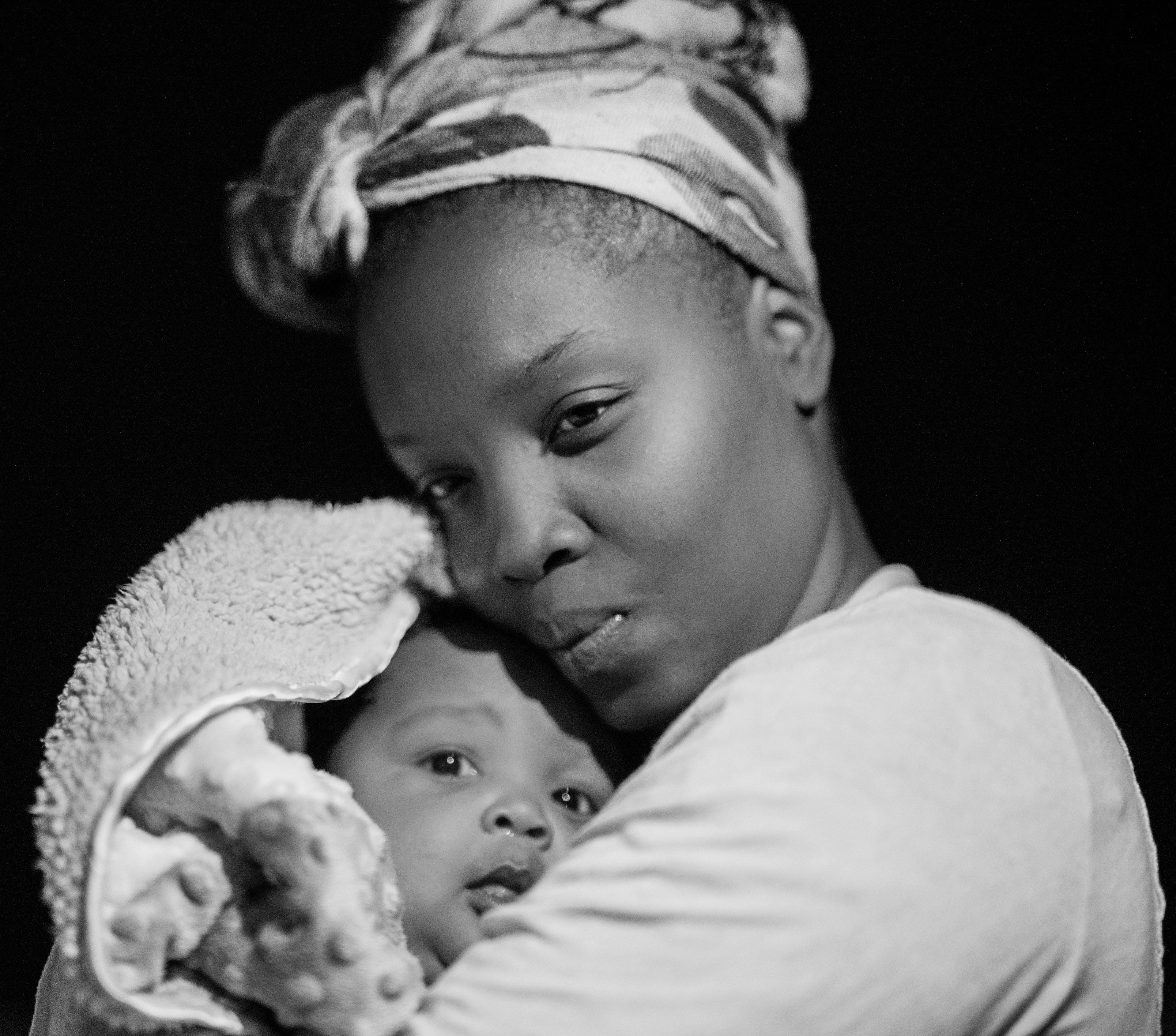
When instruction fades in the face of inactivity: Gabonese mothers between knowledge and survival Key insights Gabon shows a high level of female literacy but maternal health remains fragile Female unemployment is the determining socioeconomic factor for mothers' health Food insecurity, economic precariousness, and mental health are directly affected by professional inactivity The state acts as a structural determinant by influencing socioeconomic status through employment and social support policies Positive discrimination policies in employment, particularly for single mothers, could improve maternal health and reduce pressure on the healthcare system Key figures Female literacy rate (15-24 years) 92.63% in 2022 according to the World Bank Female unemployment rate 29.41% in 2021 according to the Gabon Demographic and Health Survey (EDSG III) Reported cases of mental disorders: 4,145 in 2022, an increase of 715 cases compared to 2020 according to the National Mental Health Center of Mélen (these figures concern the entire population without gender distinction). The empowerment of girls through education has seen spectacular progress across the African continent over the past two decades. In many countries, gender disparities have diminished, and access to primary and secondary education has significantly expanded. However, these advances do not always translate into tangible health benefits. Maternal health remains closely correlated with socioeconomic status, which encompasses education, employment, and income. More specifically in Central Africa, female professional inertia and economic vulnerability undermine the protective effect of education. This dynamic is particularly pronounced in Gabon where nearly 93% of young women show a literacy rate according to the World Bank (2022), but female unemployment peaks at 29.41% according to EDSG III (Gabon Demographic and Health Survey - third edition, conducted in 2021). This gap undermines the benefits of education and exposes mothers to nutritional insecurity, economic precariousness, and weakened mental health. The National Mental Health Center of Mélen recorded 4,145 cases of mental disorders in 2022, an increase of 715 cases compared to 2020, across all ages and genders. This phenomenon highlights a growing susceptibility, particularly among women in situations of great precariousness. The interaction of these factors highlights that mere access to education is not enough to safeguard women, and that targeted economic and social interventions are imperative to concretely improve maternal health. Education is trapped in the chains of precariousness While education is a fundamental pillar of development and autonomy, it does not automatically protect women's health. In Gabon, many educated mothers remain exposed to precarious living conditions. The ability to read and write is not sufficient to reduce health risks associated with motherhood or to ensure regular access to care. Educated women without jobs suffer from the combined effects of economic insecurity and lack of social support, which reduces their resilience to life's uncertainties. The gap between education level and maternal health illustrates that other factors, particularly financial stability and food security, play a crucial role and extend beyond the framework of formal education. Moreover, women's education certainly improves health knowledge, but without stable employment or income, these gains remain theoretical. Mothers cannot always put preventive recommendations into practice or access necessary care. The gap between education and economic reality creates a form of structural vulnerability, where knowledge and skills are not enough to transform health into tangible protection. Knowledge without bread: maternity on hold Female unemployment in Gabon acts as a key factor of vulnerability. The absence of regular employment leads to economic precariousness that directly impacts the health of mothers and their children. Unemployed women suffer from chronic food insecurity, constant stress, and increased exposure to mental health issues. Although specific data on perinatal depression are not consolidated at the national level, Gabonese health authorities warn of an increase in mental health disorders among women in precarious situations, especially during maternity. This situation highlights the direct link between professional inactivity and maternal health. Therefore, women's health is not only a matter of education but also of economic stability and social status, two dimensions closely linked to employment. Vulnerability due to unemployment is reinforced in urban areas where the cost of living is higher. Even educated and qualified women struggle to find stable jobs, placing them in an antithetical situation: educated but economically dependent, they are exposed to increased risks during maternity. This phenomenon underscores the importance of public policies that combine training, professional integration, and social support to reduce health inequalities. The Gabonese state as a structural lever Public policies play a central role in structuring the socioeconomic status and consequently the health of women. The state directly influences access to employment, economic resources, and health services, making it a major institutional actor in shaping health inequalities. In Gabon, existing programs to support women's employment and protect single mothers remain fragmented and insufficient to transform educational gains into tangible health benefits. Strengthening support systems for single-parent families, creating jobs tailored to women's needs, and ensuring easier access to care can reduce inequalities and sustainably improve maternal health. At the same time, fiscal policies and social systems condition families' ability to secure their standard of living. Limited subsidies, one-off programs, and unequal access to social services mean that the impact of public policies on maternal health is often weak. A more systematic and integrated commitment could enable the state to play a truly protective role, transforming education into an effective lever for health and well-being for all women. Silent famines and hearts in deficit Economic precariousness has direct and profound effects on maternal health. Food insecurity leads to nutritional deficiencies that affect pregnancy and infant development. Chronic stress and financial constraints are factors associated with the risks of perinatal depression. They inhibit mothers' ability to seek and receive care. Women from low-income households hesitate to use health services for fear of direct costs and long waits. These combined factors create a vicious cycle where poverty fuels health vulnerability, and where the fragile health of mothers perpetuates family precariousness. The psychological dimension is also crucial. Economic uncertainty and financial dependence create constant mental pressure, which affects not only mental health but also women's ability to make decisions regarding their health and that of their children. This mechanism reinforces disparities and shows that education, without economic and social support, is not enough to ensure the well-being of mothers. Rethinking strategies for maternal health To sustainably improve maternal health in Gabon, it is essential to place female unemployment at the center of public policies. Education, employment, and social support must be combined to provide effective protection for mothers. Positive discrimination policies, particularly for single mothers and women in the informal sector, can reduce the economic burden, improve access to care, and boost women's economic participation. These measures would not only strengthen mothers' health but also reduce pressure on the healthcare system and contribute to the overall economic development of the country. At the same time, it is necessary to design integrated programs that link vocational training, labor market integration, and psychological support. A multidimensional approach would ensure that gains in literacy translate concretely into improvements in maternal health, economic autonomy, and social resilience. This strategy transforms education and employment into real health protection levers for Gabonese women. About the authors: Brice is the founder of Biangg Consulting, specializing in patient advocacy and health equity. Aicha Fall is an economic journalist.

HealthcareHealthMaternityOpen
October 11, 2025By Dr. Brice W. OBIANG OBOUNOUwith Aïcha Fall

Gabon, The Forgotten Promise of 15%: When Underfunding in Health Costs Lives

15% on the front, health in apnea: the Gabonese budget on life support Key insights Key figures “To date, the overall resources allocated to health in Gabon have not contributed to improving health outcomes” - Brice Wilfried Obiang Obounou, Financing the health system and maternal mortality in Gabon. These words strike with their sobriety and lucidity. They summarize twenty years of thwarted efforts, growing budgets, and always fragile indicators. Gabon, a pioneer in Central Africa for universal health coverage, has never fulfilled its Abuja commitment. 15% of the national budget was to be dedicated to health, but the country currently caps at 7.8% according to the finance law. Behind this figure lies a distressing contradiction. Life expectancy is increasing, infrastructure is modernizing, and yet mothers continue to die in rural maternity wards as well as in urban hospitals. The work of Brice Wilfried Obiang Obounou sheds light on this fracture between ambition and reality, between symbolic and tangible, revealing the human cost of ineffective funding. The forgotten oath of the African continent In Africa, leaders gathered in Abuja in 2001 to commit to dedicating 15% of their national budgets to health. This pact was to transform the face of public health and provide every citizen with effective access to care. A few low-income countries like Rwanda, Malawi, or Gambia have exceeded this commitment, showing that wealth was not a condition for investing in life. But in many resource-rich countries, ambitions have collided with divergent priorities and the complexity of administrations. Sector spending often remains insufficient and oriented towards operations rather than populations. The figures reveal a deep contradiction. The richer a country is in natural resources, the less it seems to invest in the lives of its populations. Central Africa between ambitions and realities Central Africa wanted to believe in universal health coverage and its promises. Institutions multiplied, plans and programs accumulated, but implementation faces structural and financial limits. Administrative expenses absorb most of the budgets, and prevention as well as primary care remain insufficient. Gabon was long perceived as a regional model thanks to the creation of CNAMGS (National Health Insurance and Social Guarantee Fund) in 2008. This system was to provide equitable access to care. In practice, it faces payment delays, exclusion of the private sector, and bureaucratic complexity. Vulnerable populations continue to pay for their care, sometimes at the cost of debts or sacrifices. Gabon and the paradox of unfinished progress The 2025 health budget of Gabon represents 7.8% of the national budget, a figure that reflects a gap between ambitions and means. The majority of funds are absorbed by administration and fixed costs, leaving hospitals and maternity wards under-equipped and vulnerable populations reliant on their own budget. Despite visible progress in life expectancy and infant mortality, maternal mortality reaches 399 deaths per 100,000 live births, signaling a crisis that is not resolved by increasing the budget or modernizing infrastructure. Each death tells a story. A woman giving birth alone in a dispensary, another who has to buy her medications, a third who travels through several villages to reach a hospital. These lost lives reveal the gap between spending and real impact. When health becomes a luxury Universal health coverage has not eliminated out-of-pocket payments. In private clinics, 60% of women insured by CNAMGS still pay upfront. The poorest, often in rural areas, face endless queues and drug shortages. This social and geographical divide creates a two-tier system. The wealthy access care quickly and efficiently, while others forgo it or suffer delays with often fatal consequences. High female unemployment, food insecurity, and domestic violence exacerbate this situation. Women from low-income households hesitate to use health services for fear of costs or delays. These social determinants directly increase maternal mortality and fuel inequalities. Prevention, a still fragile link Prevention accounts for only 21.62 billion FCFA, or 15% of the health budget in 2025. This funding remains insufficient given the structural and social needs weighing on the population. Vaccinations, prenatal care, screenings, and nutritional programs are essential to reduce maternal and infant mortality. Every franc invested in prevention could save several lives and reduce costs related to avoidable complications. The priority given to curative care at the expense of prevention weakens the system and deepens disparities between urban and rural populations. Relearning to invest in life It is no longer just about how much the country spends, but how it spends. The budget must be redirected towards prevention, equitable access to care, and reducing social inequalities. Health must become a pillar of the social contract again, not a variable of budgetary adjustment. The 15% of Abuja was not a statistic but a human commitment. Failing to reach it means accepting that health remains a matter of privilege and that the lives of thousands of mothers continue to hang in the balance due to slow budgets. Gabon can still transform its trajectory, but this requires a clear vision, genuine commitment, and effective resource allocation so that numbers finally translate into saved lives and restored dignity. About the authors: Brice is the founder of Biangg Consulting, specializing in patient advocacy and health equity. Aicha Fall is an economic journalist.

HealthcareEconomyHealthOpen
September 21, 2025By Brice NDA

The challenges of asset acquisition with limited financial resources!

Key Insights The main obstacle is not money, but knowledge: Contrary to popular belief, the number one barrier to real estate investment is not a lack of capital, but a lack of skills to navigate a complex market. Africa, a testing ground for alternative financing: Faced with limited access to bank credit due to the weight of the informal sector, community financing mechanisms such as “tontines” have evolved. Now digitized, they are inspiring a new generation of PropTech solutions. Syndication democratizes access: Models such as real estate syndication, which are highly structured in the United States, now allow groups of investors to join forces to acquire large-scale properties (office buildings, residential projects), making high-impact investment accessible to a wider audience. Passive investment is key: For many investors, the greatest value of these new models is the ability to invest without having to manage day-to-day operations. This marks the emergence of a new class of accessible and diversified real estate assets. How to invest in real estate without breaking the bank (and without losing sleep) Investing in real estate has always been a symbol of solid wealth, a reliable refuge in an uncertain world. Yet for millions of people around the world, this dream seems out of reach. We often think that the main obstacle is financial. “I don't have enough money,” people say. But the reality is more subtle. The real barrier is not capital, it is complexity. Today, as markets become increasingly volatile, a question arises: how can we democratize access to real estate investment? When constraints drive innovation In sub-Saharan Africa, where nearly 70% of jobs are in the informal sector, accessing traditional real estate credit is an uphill battle. Far from being a hindrance, this constraint has forced the emergence of ingenious alternative solutions. The best known is the tontine, a community-based revolving savings system that allows projects to be financed without going through the banking system. Something that used to be an old-school thing now has a 2.0 version. Mobile apps in Senegal and Ivory Coast are making this process digital, creating “real estate tontines” that let groups of young professionals buy land or apartments together. It's crowdfunding, but with a deep cultural foundation and community trust. From Tontine to Syndication: the emergence of a global model This idea of pooling capital to invest as a group is not unique to Africa. In the United States, it is at the heart of a highly structured model: real estate syndication.. The principle is simple: a "Sponsor" (the professional who leads the project) identifies an opportunity (an office building, a residential complex) and raises funds from a group of "Passive Investors." Together, they form a company to acquire and manage the property. "The main attraction of real estate syndication is to grant the possibility of owning a property that you could not otherwise afford." The advantage for the passive investor is immense. They can diversify their portfolio by holding a share of a high-value asset, without ever having to manage tenants or maintenance. They invest in real estate as they would in the stock market, while benefiting from direct knowledge of the project through regular reports. A new frontier for investors From the digitalization of African tontines to the democratization of real estate syndication, a new fundamental trend is emerging. Real estate investment is no longer reserved for institutional investors or wealthy individuals capable of managing complex projects on their own. These collaborative models and technology are enabling a new generation of investors to access high-potential opportunities, diversify their assets, and participate in large-scale projects, no matter where they are in the world. The real estate investment revolution is on the move, and it is more inclusive and accessible than ever before.

Real EstateImmobilierOpen