



Imagine yourself on a crewless ship: Smartships
Key insights
- Smartships symbolize a new maritime era, where technology redefines the boundaries of the possible and questions the role of humans at sea
- The absence of crew poses major legal and ethical challenges, particularly regarding responsibility in the event of an accident or pollution
- Increased automation threatens to disrupt the maritime labor market, already weakened by digitization and job outsourcing
- Data security and cybersecurity become top priorities, as a ship without a captain remains vulnerable to cyberattacks
- Behind the technological prowess, maritime sovereignty is at stake: who controls, monitors, and protects these invisible fleets?
One might think it's a science fiction fable, yet this world is already here.
White hulls glide over the waves without a captain, piloted by algorithms capable of avoiding storms, adjusting their trajectories, and optimizing every movement. These next-generation vessels, called crewless ships or smartships, embody an unprecedented technological feat.
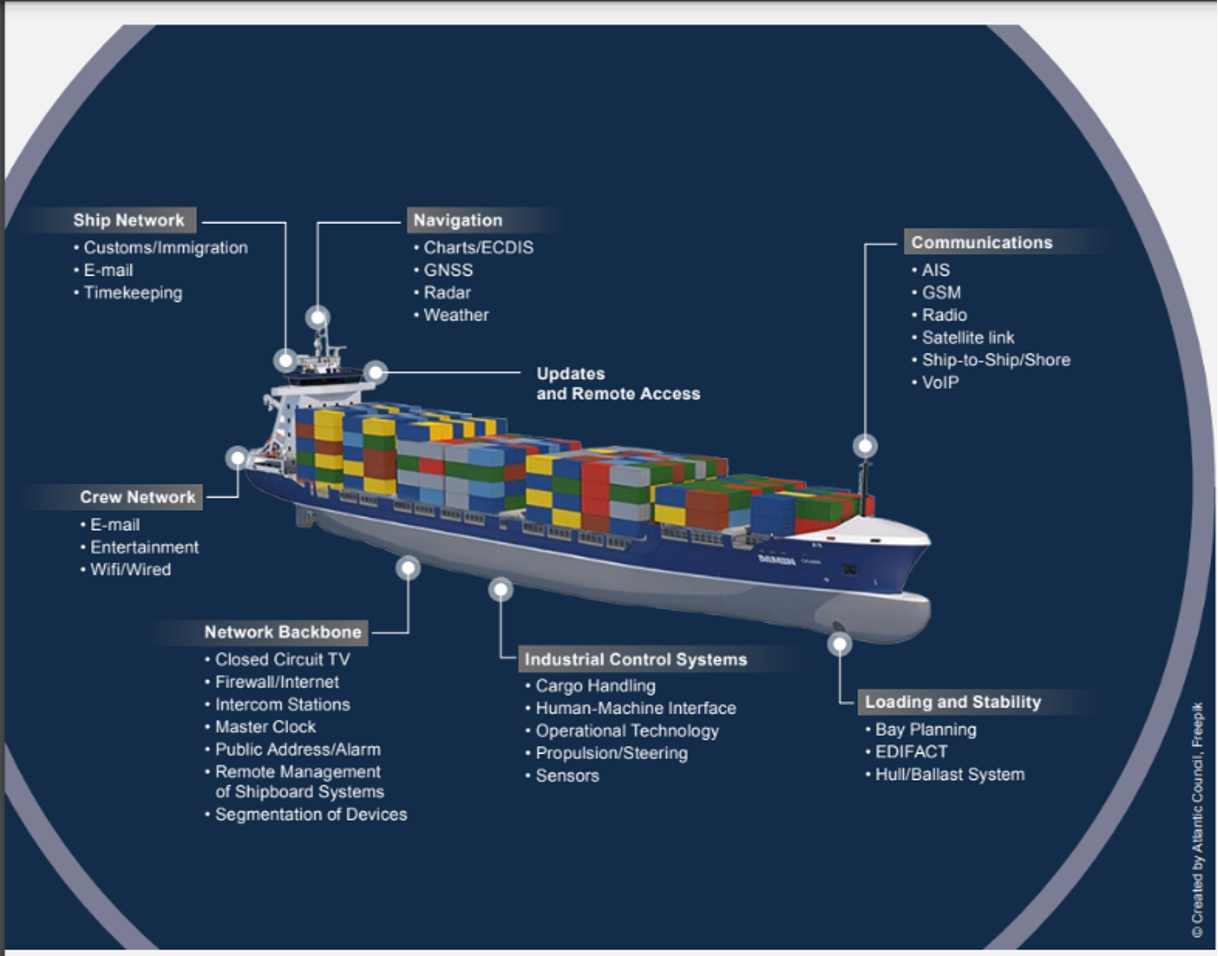
Designed to navigate without direct human intervention, they rely on a network of sensors, cameras, intelligent software, and advanced communication systems that allow them to perceive their environment, analyze marine data in real time, and make autonomous decisions with millimeter precision.
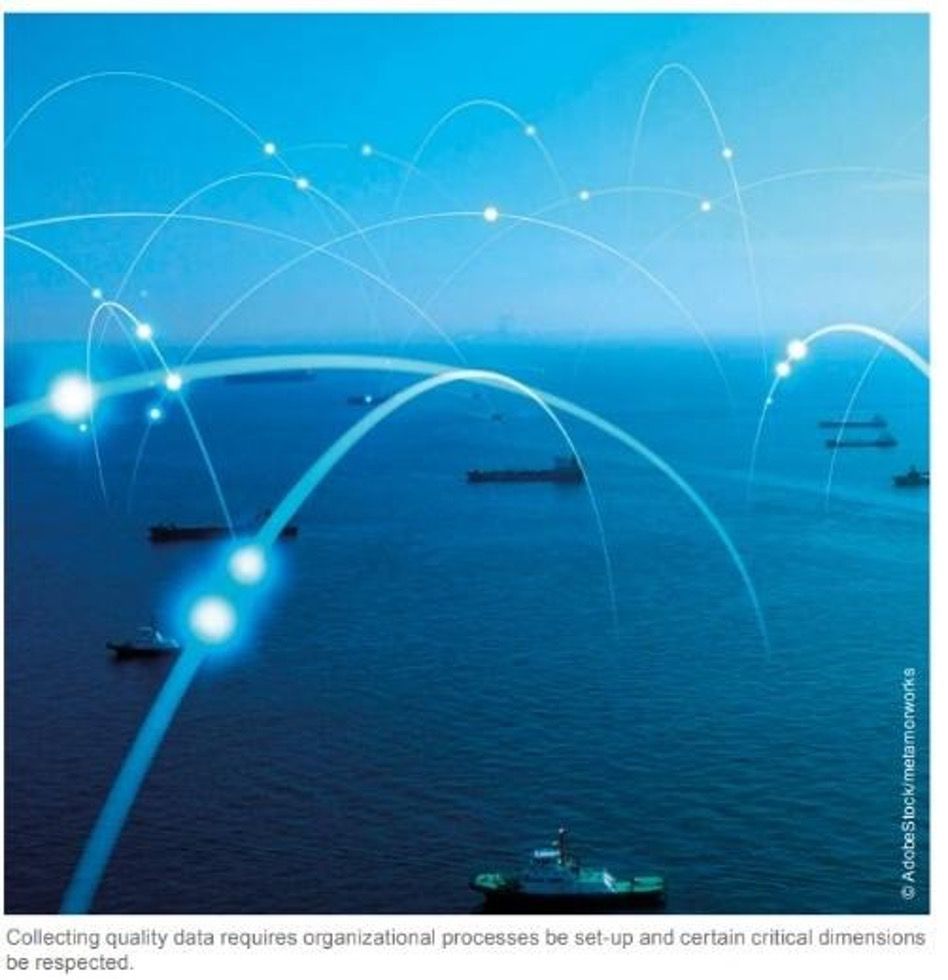
Far from ports and lighthouses, the sea becomes a digital territory where data replaces maps and satellites watch in place of sailors. These so-called autonomous ships promise efficiency, safety, and cost reduction, but also raise dizzying questions about responsibility, safety, and maritime employment.
What happens to the role of humans when the machine takes the helm?
The question is not only technological; it is philosophical, social, and deeply political.
The advent of these intelligent ships marks a turning point in maritime history. By combining artificial intelligence, automation, and global connectivity, they redefine the contours of contemporary navigation.
The industry sees it as an opportunity to reduce operating costs, improve operational safety, and limit polluting emissions.
However, this transformation does not unfold without bumps. It requires a complete rewriting of maritime codes and an adaptation of mindsets to the idea of an ocean governed by algorithms.
The laws of the open sea: regulation seeks its course
One of the first pitfalls lies in regulation.
International maritime law still relies on the presence of a captain on board and the direct responsibility of the crew. However, how do we define fault or responsibility when a decision is made by an autonomous system?
Should we consider the software designer, the shipowner, or the operator on shore?
The sea, a space without borders, also becomes a space without legal precedent.
Invisible storms: security put to the test by the digital age
Like the regulatory imperative, autonomous ships must be equipped with sophisticated protection devices to prevent collisions, avoid natural hazards, and counter cyber threats.
Cyber hacking represents a new form of piracy where the enemy no longer wields a saber, but a code.
In addition, there are the classic risks of fire, physical piracy, and search and rescue operations at sea. Security, whether digital or human, remains the keystone of this maritime revolution.
Seafarers facing the machine: reinventing maritime professions
The rise of autonomous ships is disrupting the role of sailors. Fewer in number on board, they will need to acquire new skills focused on system maintenance and remote operation supervision.
Maritime expertise is transforming, shifting from mastering wind and sails to mastering algorithms and interfaces. The sea remains a space for learning, but the tools of the 21st-century sailor will no longer be the same.
The code and the compass: when artificial intelligence takes the helm
Despite these challenges, the maritime industry is making the shift towards autonomous ships.Companies such as Rolls-Royce, Kongsberg, and Wärtsilä have already launched autonomous ship projects, and major shipping companies are beginning to invest in this technology.
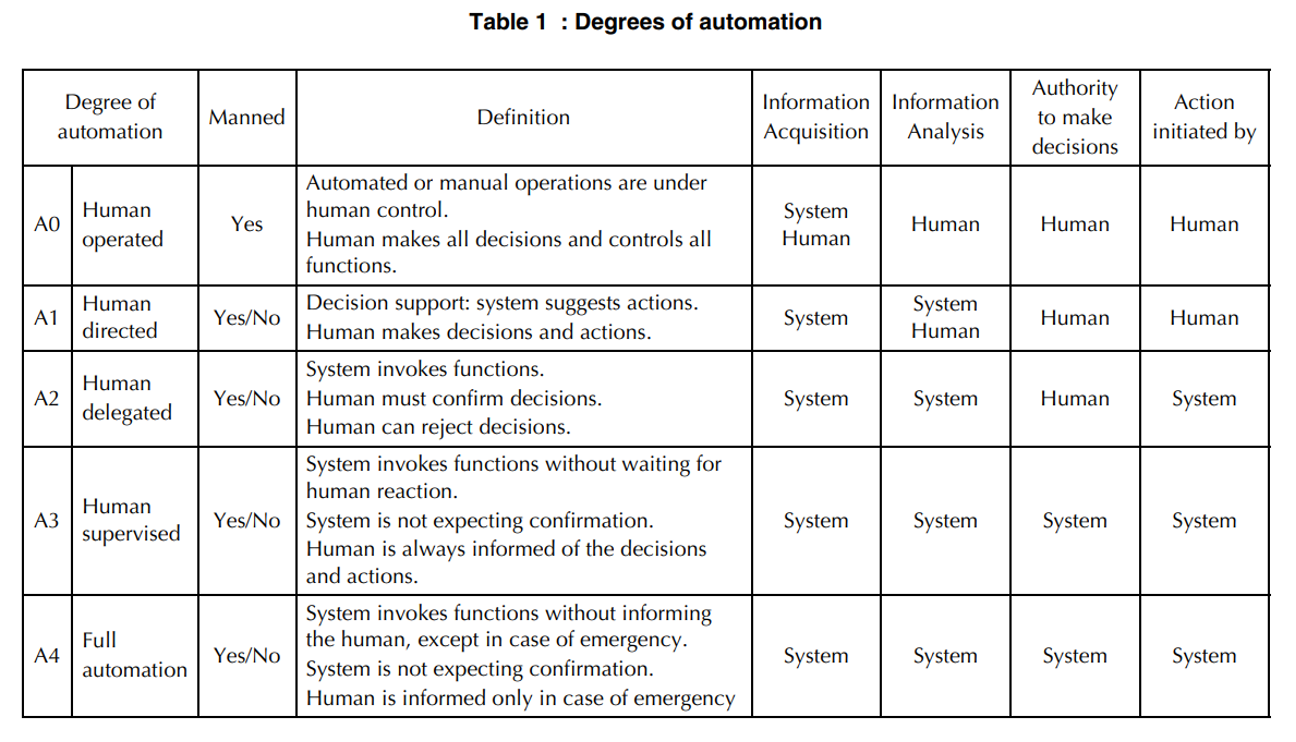
On the other hand, some classification societies have established additional notations for ships. These notations help identify the degree of autonomy of the ship for a specific system.
For example, at Bureau Veritas, the degree of automation (table 1) is defined as the degree of decision-making that has been transferred from humans to the system. Thus, a system is said to be A0 when humans make all decisions and control all functions of the system, and on the other hand, a system is A4 when it invokes functions without informing the human, except in emergencies. The system does not wait for confirmation; the human is only informed in case of emergency. Hence the autonomous ship.
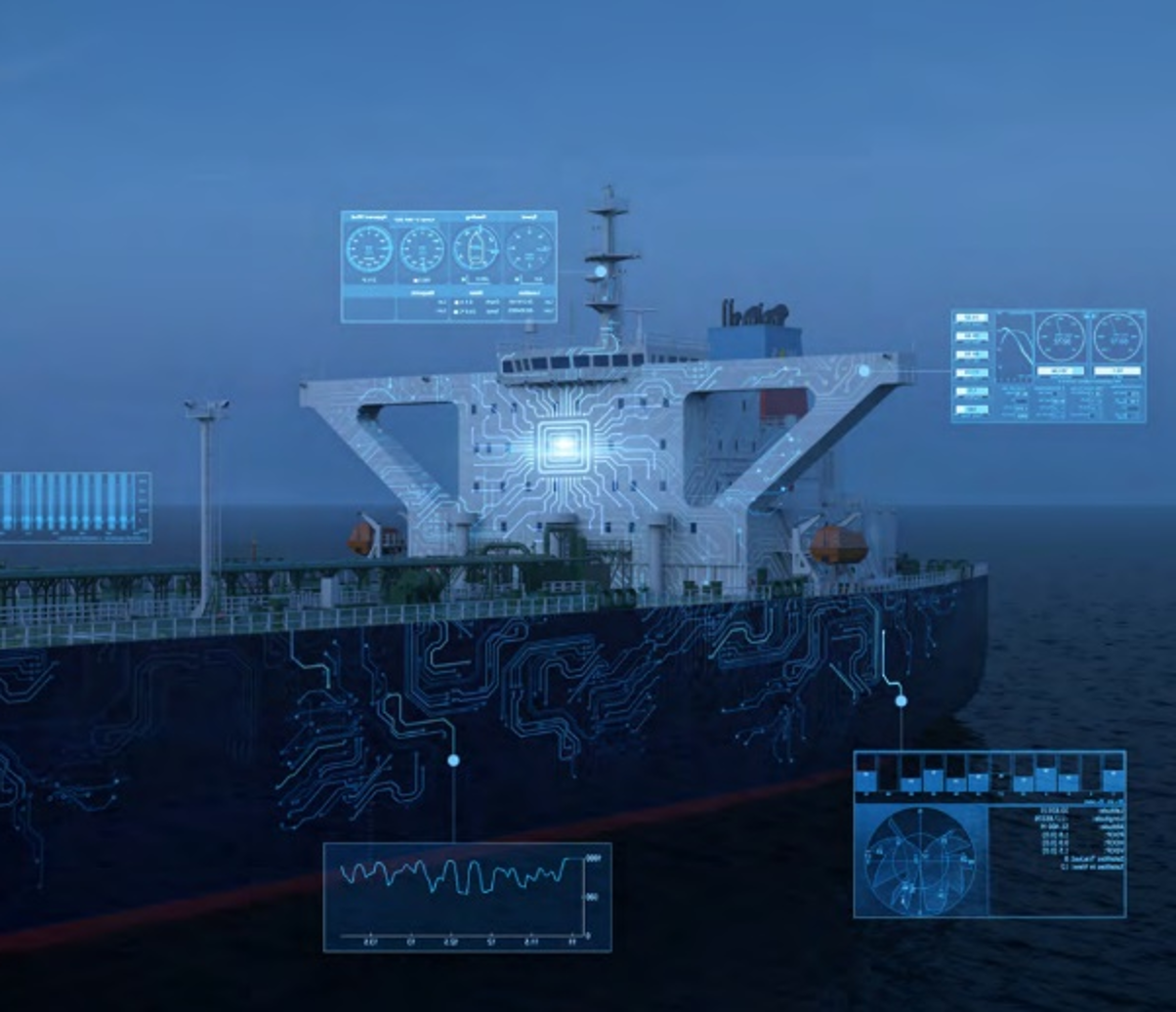
Autonomous ships operate based on smart systems. These systems are digital solutions designed to process ship data and promote sustainable, efficient, and safe operations.
These digital solutions rely on two elements:
a) The data infrastructure which allows for data collection, making it accessible to multiple consumers and maintaining control of data traffic.
b) A software designed to fulfill a smart function optimizing the use of existing onboard systems using physics-based algorithms, data, and hybrid models.
It is time to envision a future where crewless ships sail in harmony with the ocean, where technology aligns with nature to reduce costs and risks.
In this new world, sailors will have become the guardians of the digital realm, maritime laws will have evolved, and autonomous navigation will have transitioned from dream to daily reality.
The crewless ship is no longer a myth of engineers, but a reality in the making, a promise of progress that compels us to rethink our relationship with the sea, technology, and humanity.
Sources:
Website L’unsine Nouvelle: https://www.usinenouvelle.com/editorial/rolls-royce-devoile-un-navire-de-patrouille-autonome.N587298
Website of Wärtsilä: https://www.wartsila.com/media/news/16-06-2020-wartsila-comes-onboard-the-mayflower-autonomous-ship-project-2728706
Website of Kongsberg: https://www.kongsberg.com/maritime/ship-types/autonomous-ships/
Report from the International Maritime Organization (IMO): https://www.imo.org/fr/MediaCentre/HotTopics/Pages/Autonomous-shipping.aspx
University study on autonomous ships: https://www.sciencedirect.com/science/article/pii/S1876610217338008
BV NR675 - ADDITIONAL CLASS NOTATION SMART: NR675 Additional class notation SMART | Marine & Offshore (bureauveritas.com)
BV NI 641 - GUIDELINES FOR AUTONOMOUS SHIPPING: NI641 Guidelines for autonomous shipping | Marine & Offshore (bureauveritas.com)
BV NR 681 - UNMANNED SURFACE VESSELS (USV): 681-NR_2022-07_3006.pdf (veristar.com)